The gaming landscape is undergoing a seismic shift, with AI gaming tools becoming the new backbone of development studios worldwide. From indie creators to AAA giants, developers are leveraging artificial intelligence not just to automate mundane tasks, but to craft living, breathing virtual worlds.
This guide explores the eight major categories of AI tools that are redefining how games are built, played, and monitored.
How Are AI Tools Revolutionizing Asset Creation?
AI asset creation tools generate high-quality 2D art, 3D models, and textures in seconds, drastically reducing the months of manual labor traditionally required for game environment design.
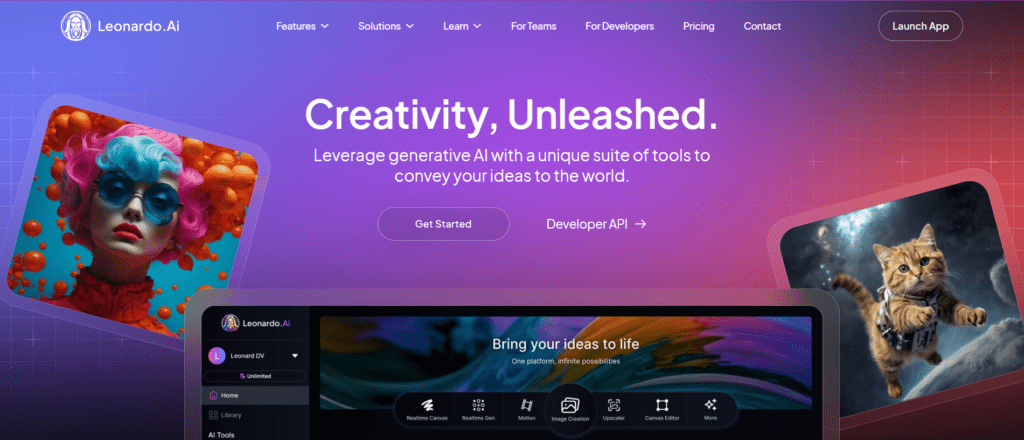
Asset creation is historically the most labor-intensive phase of game development. Today, Generative AI is dismantling this barrier. Tools like Leonardo.ai and Scenario allow artists to train models on their own style guides, producing thousands of consistent 2D assets for UI, icons, or concept art.
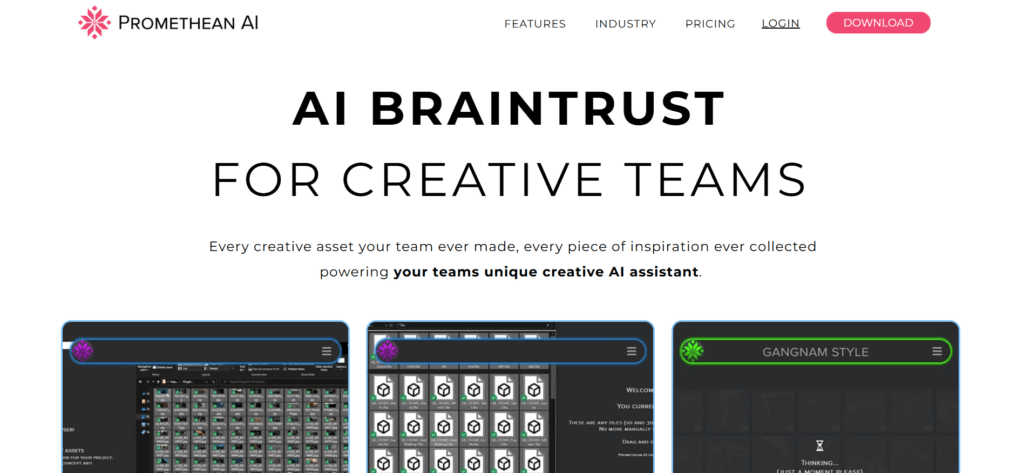
For 3D environments, the leap is even more profound. Platforms like Meshy AI and Promethean AI act as virtual assistants. Instead of sculpting every rock and tree by hand, a designer can simply type a prompt, and the AI generates game-ready 3D meshes with topology optimized for engines like Unity or Unreal. This shift allows artists to focus on high-level creative direction rather than vertex-pushing.
Top Tools For Asset Creation:

Why these tools?
AI-powered asset workflows can reduce production time by up to 80% for environmental props.
Can AI Make Non-Player Characters (NPCs) Truly Intelligent?
Yes, modern AI transforms NPCs from scripted robots into dynamic entities that possess memory, emotional intelligence, and the ability to improvise unscripted dialogue in real-time.
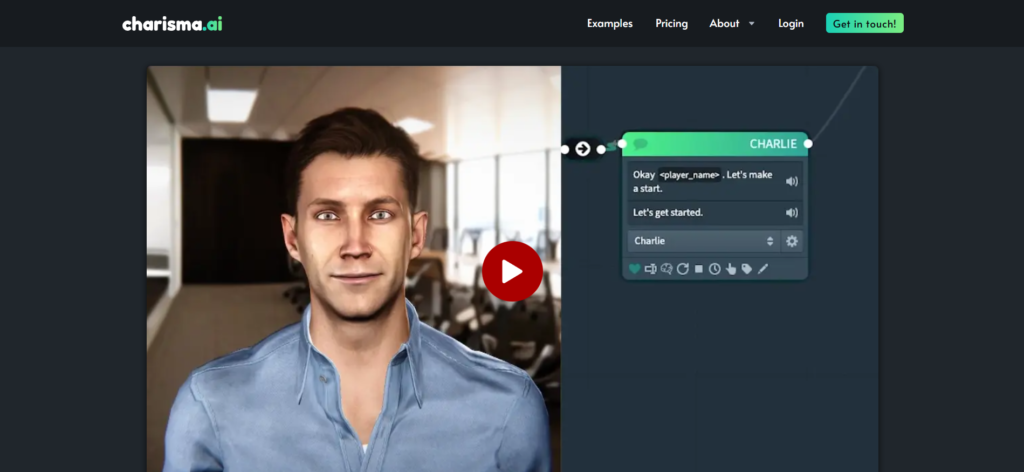
Gone are the days of repetitive “arrow to the knee” dialogue lines. The new wave of NPC tools utilizes Large Language Models (LLMs) to grant characters agency. Inworld AI and Charisma.ai enable developers to define a character’s backstory, personality, and motivations. The AI then handles the conversation dynamically based on player actions.
If a player attacks a merchant in one town, an AI-driven system ensures that news travels. NPCs in the next town might refuse to trade or react with fear. This creates a level of immersion where the world feels genuinely reactive rather than statically programmed.
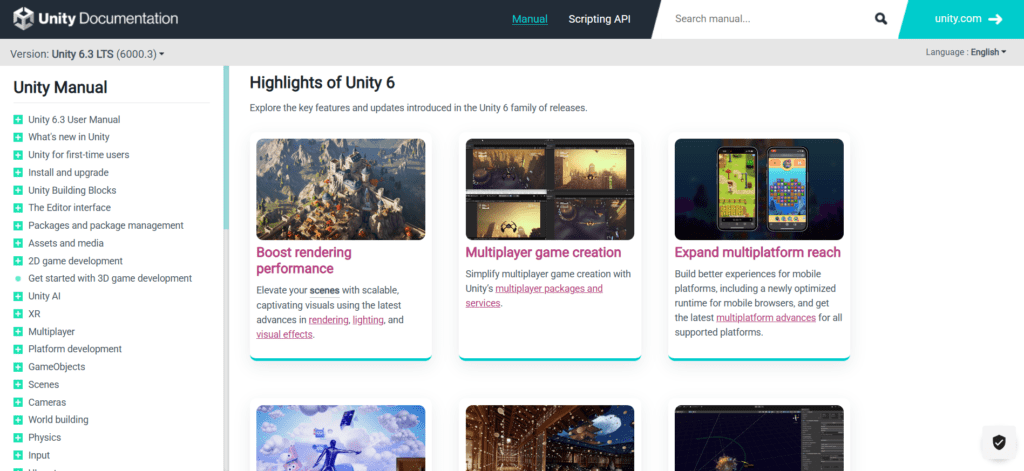
Top Tools For NPC Intelligence:

Why these tools?
Increases player retention by creating unique, non-repeatable social interactions.
What Tools Are Redefining Voiceovers and Soundscapes?
AI audio tools synthesize hyper-realistic human voices and generate adaptive musical scores that react instantaneously to the gameplay intensity and player actions.
Voice acting logistics can be a nightmare for localization and vast open-world games. AI voice generators like ElevenLabs solve this by creating emotive, human-like speech from text. This is particularly vital for indie developers who cannot afford Hollywood talent for every minor character.
Beyond voice, AI is reshaping music. Tools like AIVA compose original soundtracks that adapt to the game state. If a player enters stealth mode, the AI dynamically lowers the tempo and intensity; if combat erupts, it seamlessly transitions to an orchestral crescendo.
Top AI Voiceover Tools:
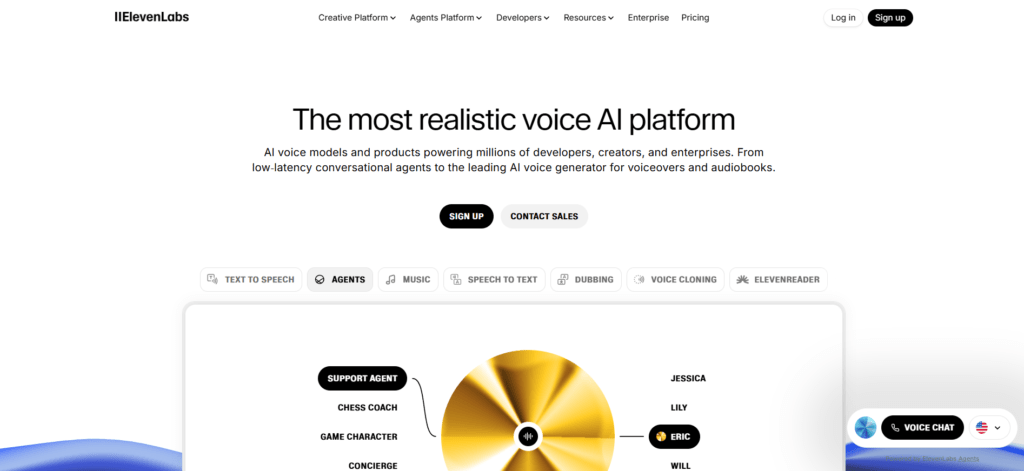
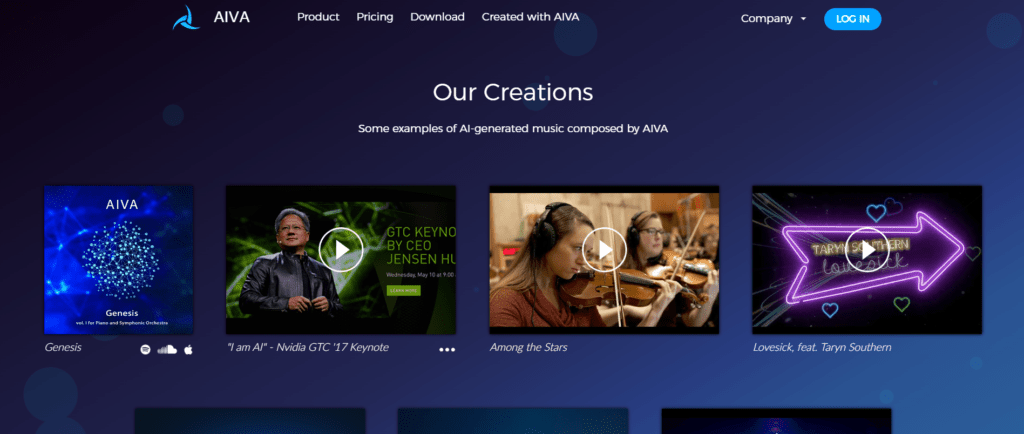
Why these tools?
dramatically lowers the cost of localization and expansive dialogue trees.
How Does AI Automate Game Testing and Quality Assurance?
AI-driven QA bots navigate game worlds autonomously to detect bugs, glitches, and performance bottlenecks much faster and more thoroughly than human testers.
Quality Assurance (QA) is often the bottleneck in release schedules. Human testers cannot physically play every possible permutation of a massive open-world game. AI agents, however, can. Tools like modl.ai and GameDriver deploy “player bots” that play the game thousands of times simultaneously.
These bots don’t just walk into walls; they use machine learning to mimic human behavior. They attempt to break the game by performing erratic actions, ensuring that edge cases are caught before launch. This automated rigor frees human testers to focus on subjective experience feedback like “fun” and “pacing.”
Top AI Automate Game Testing And QC Tools:
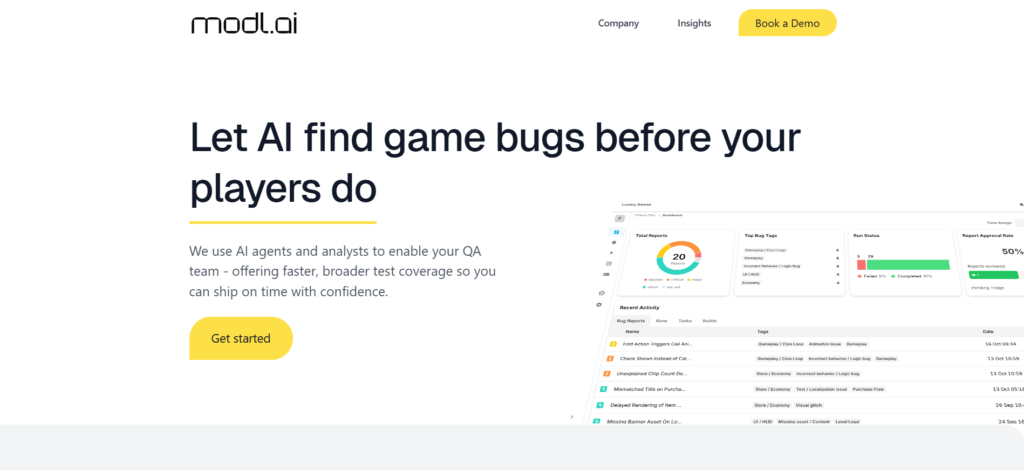
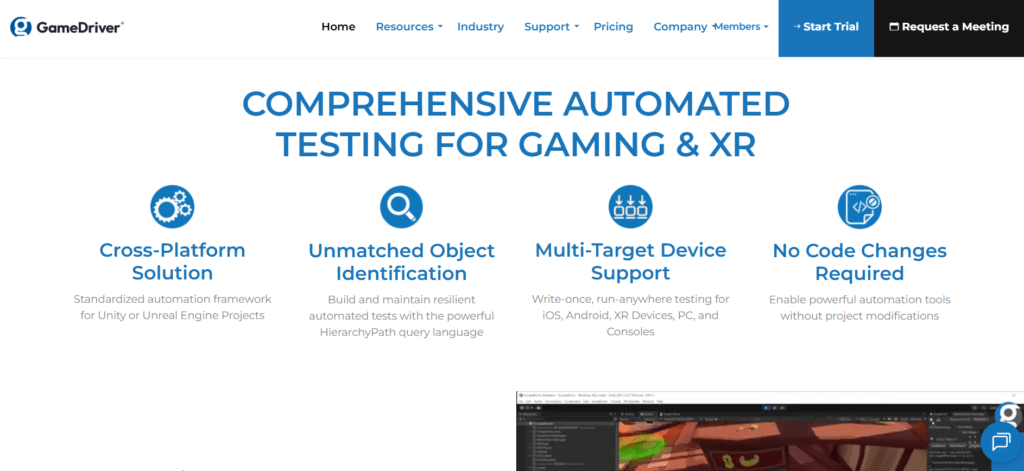
Google Cloud Game Servers (Agones)
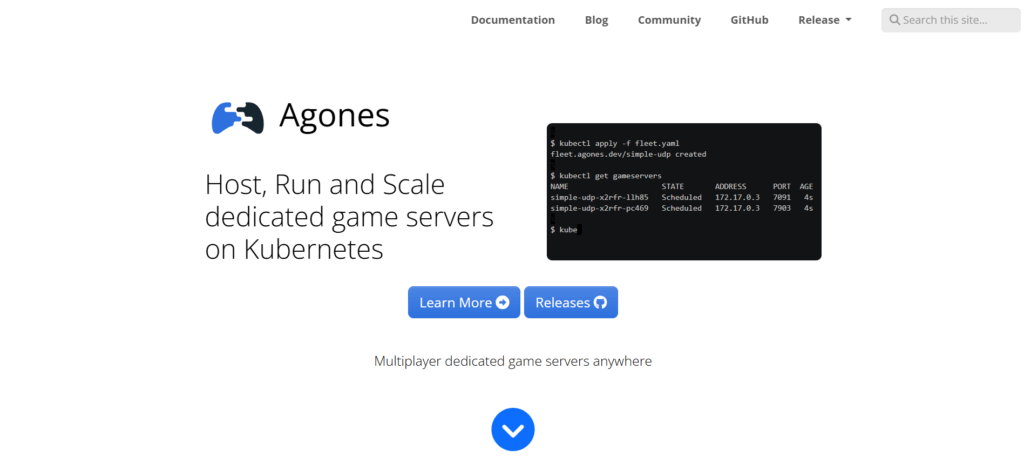
Why these tools?
AI testing can increase test coverage by 70% while reducing QA cycles by half.
Is Procedural Content Generation (PCG) the Future of Level Design?
Absolutely; AI-enhanced procedural generation builds infinite, distinct, and playable levels by learning from design rules, ensuring no two playthroughs are ever identical.
Procedural generation isn’t new, but AI has supercharged it. innovative tools now go beyond simple randomization. They understand “flow.” A standard algorithm might place a door blocked by a wall. AI-driven PCG tools analyze the playability of the layout.
Frameworks integrated into engines like Unreal Engine 5 use logic to assemble cities, dungeons, and forests that make logical sense. This technology drives the “roguelike” genre, keeping games fresh for years. It allows small teams to build galaxy-sized worlds, such as those seen in No Man’s Sky, but with greater detail and intent.
Top Procedural Content Generation (PCG) Tools:

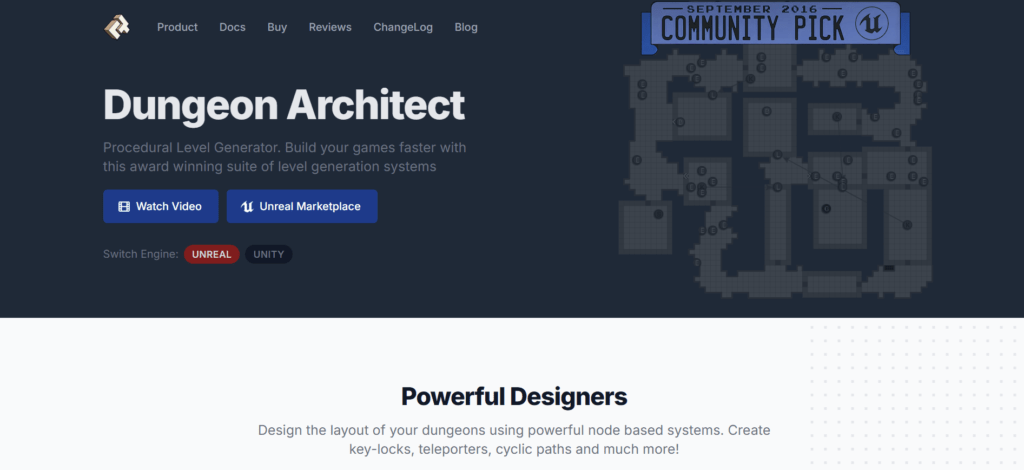
Why these tools?
Enables infinite replayability and massive scale with small teams.
How Can AI Prevent Cheating and Ensure Fair Play?
AI security tools analyze player behavior patterns in real-time to detect aimbots and wallhacks with far greater accuracy than traditional software detection methods.
Cheating ruins multiplayer economies and communities. Traditional anti-cheat relies on a database of “known” cheat software signatures. However, hackers update their tools daily. AI anti-cheat solutions like Anybrain and SARD take a behavioral approach.
They analyze how a player plays. Does their reaction time exceed human physiological limits? Is their mouse movement unnaturally smooth? By processing biometric data (like keystroke dynamics), AI can flag a cheater even if they are using a brand-new, undetected hack. This ensures a fair competitive environment without invasive surveillance of the user’s hard drive.
Top AI Preventing Cheating Tools:
Why these tools?
Reduces false positives and catches “hardware cheats” that bypass standard software.
What Role Does AI Play in Player Analytics and Retention?
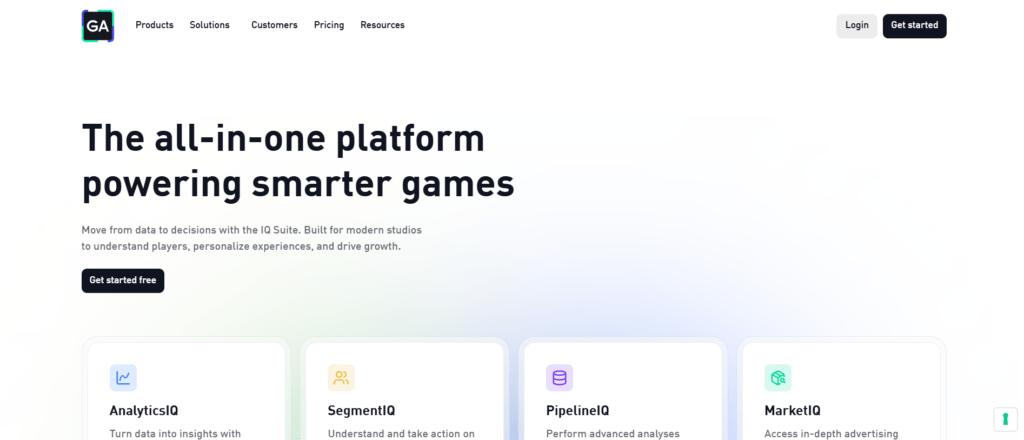
AI analytics platforms predict player churn by analyzing in-game behavior, allowing developers to offer personalized incentives and dynamic difficulty adjustments to keep players engaged.
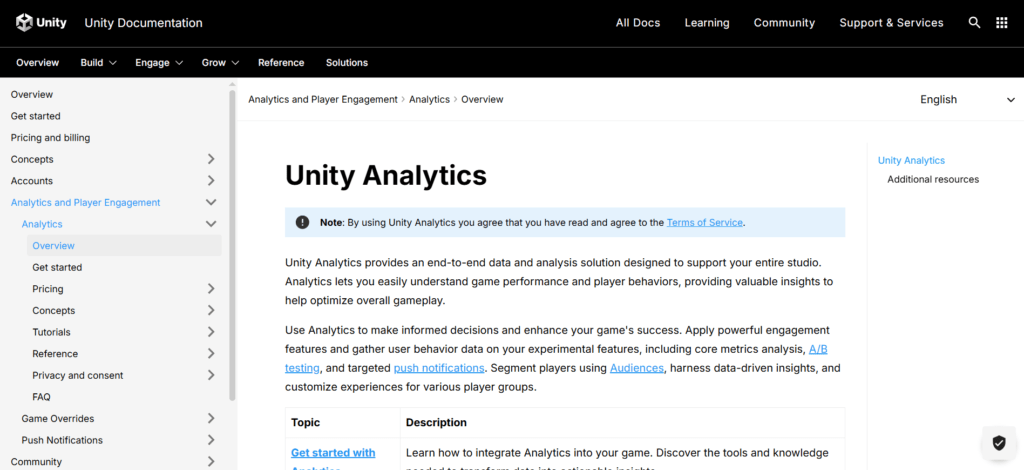
Understanding why a player quits is the holy grail of live-service games. AI analytics tools ingest massive datasets to segment players based on psychology, not just demographics. If an AI detects a player struggling with a boss fight and showing signs of “rage quitting,” the game can subtly adjust the difficulty or drop a helpful item.
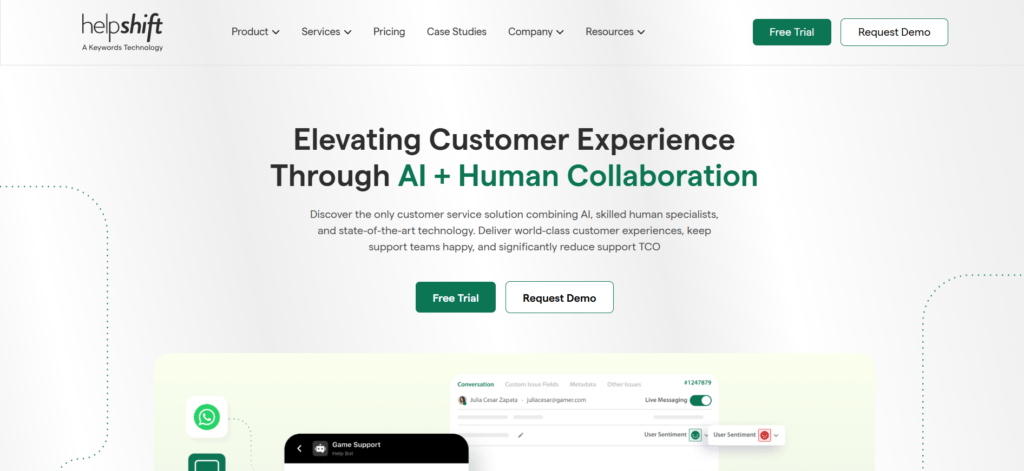
Tools like Helpshift and specialized CRM platforms use these insights to send personalized push notifications. Instead of a generic “Come back!” message, the AI sends: “Your clan needs a healer for the raid tonight,” targeting the player’s specific motivations.
Top Gaming AI Analytics Tools:
Why these tools?
significantly increases Lifetime Value (LTV) of players.
How Is AI Accelerating Coding and Scripting Workflows?
AI coding assistants suggest logic, debug complex scripts, and translate natural language requests into functional code, enabling developers to build mechanics rapidly.
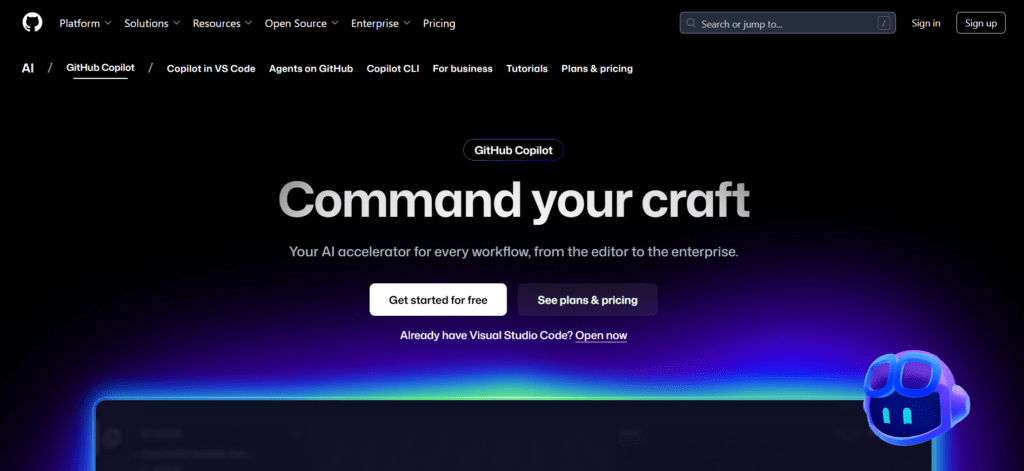
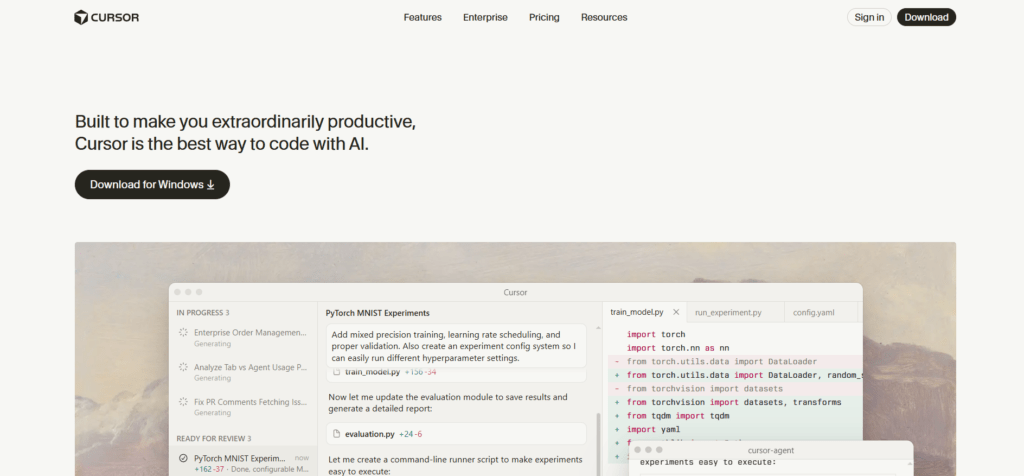
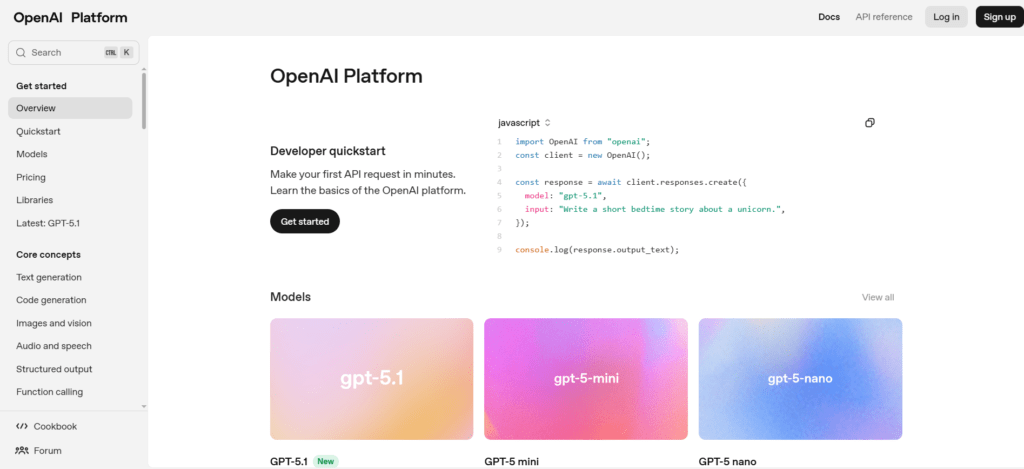
Writing code is the skeleton of any game. AI coding assistants like GitHub Copilot and Cursor act as a pair programmer. A developer can type a comment like // Create a script for a double-jump mechanic with a cooldown, and the AI will generate the C# or C++ syntax immediately.
This category also includes “No-Code” AI solutions where designers describe logic in plain English, and the engine implements it. This democratization allows creative storytellers to build functional prototypes without needing a computer science degree.
Top AI Coding Tools:
Why these tools?
Developers report up to 55% faster coding speeds when using AI assistants.
Comparison of Top AI Gaming Tool Categories
To help you decide where to invest your resources, the table below compares these categories based on their primary impact and difficulty of implementation.
| AI Category | Primary Function | Top Tools | Developer Benefit |
| Asset Creation | Generates 2D/3D art & textures | Meshy, Leonardo.ai | Speed: Reduces art production time by months. |
| NPC Intelligence | Creates responsive, smart characters | Inworld AI, Unity ML-Agents | Immersion: Deepens player emotional connection. |
| Voice & Audio | Synthesizes speech & adaptive music | ElevenLabs, AIVA | Cost: Slashes localization & orchestral costs. |
| Game Testing (QA) | Automates bug detection | modl.test, GameDriver | Stability: Ensures smoother, bug-free launches. |
| Procedural Gen (PCG) | Builds infinite levels/maps | Houdini, Dungeon Architect | Scale: Allows small teams to build massive worlds. |
| Anti-Cheat | Detects behavioral anomalies | Anybrain, SARD | Fairness: Protects competitive integrity. |
| Player Analytics | Predicts churn & personalizes play | Unity Analytics, Helpshift | Retention: Keeps players engaged longer. |
| Code Assistance | Writes & debugs scripts | GitHub Copilot, Cursor | Efficiency: Accelerates prototyping & logic building. |
Conclusion
The integration of AI gaming tools is not a distant future; it is the present reality of game development. By adopting these eight major categories, studios can surmount the traditional “Iron Triangle” of project management – Fast, Good, Cheap – and potentially achieve all three. From the artist using Leonardo.ai to visualize a concept in minutes, to the engineer using Copilot to debug a physics engine, AI is the ultimate force multiplier.
However, the human element remains irreplaceable. AI acts as a powerful engine, but the game developer is the driver. Creativity, vision, and the ability to curate these AI-generated elements are what will distinguish the masterpieces of 2025 from the generic shovelware. As these tools evolve, the barrier to entry for game creation will crumble, ushering in a new golden age of interactive entertainment.
Frequently Asked Questions
What is the most popular AI tool for game assets?
Currently, tools like Leonardo.ai for 2D assets and Meshy for 3D models are among the most popular due to their high quality and ease of integration with engines like Unity.
Will AI replace game developers?
No, AI is unlikely to replace developers. Instead, it replaces repetitive tasks. It empowers developers to focus on higher-level creative direction, story, and game mechanics, acting as a collaborative assistant rather than a replacement.
How does AI help in game testing?
AI helps by deploying autonomous bots that play the game continuously. They identify bugs, glitches, and performance issues faster than humans, covering edge cases that manual testers might miss.
Can AI generate full games?
Not yet. While AI can generate components – art, code, music, and levels – combining them into a cohesive, fun, and functional game still requires human oversight, design expertise, and technical assembly.
References:
- Unity Gaming Report 2025
- Gartner Predictions for GenAI in Creative Industries
- Academic Studies on Procedural Content Generation via Machine Learning (2024)

At IndustrifyAI, we are a four-member editorial team specializing in Marketing and Research within the Artificial Intelligence space, committed to delivering clear, credible, and actionable insights. With a strong foundation in performance marketing and data-driven research, we cut through the hype to bring you timely, expert-backed content that explains complex AI developments in simple, practical terms. Our work is grounded in transparency, robust sourcing, and a deep understanding of how AI impacts marketers, researchers, and decision-makers. From analyzing emerging trends to publishing concise industry analyses and how-to’s, IndustrifyAI aims to inform, empower, and make AI truly accessible-because in a fast-moving landscape, staying informed isn’t optional.