Key Takeaways
What is the role of AI in technology today?
AI powers automation, decision-making, and innovation across industries, from healthcare to finance.
How is artificial intelligence in technology driving business growth?
By reducing costs, improving efficiency, and enabling new products, AI is projected to add trillions to the global economy.
What are the biggest opportunities for AI in the tech industry?
Cloud-based AI services, generative AI tools, and AI-driven cybersecurity are major growth areas.
What challenges does AI technology face?
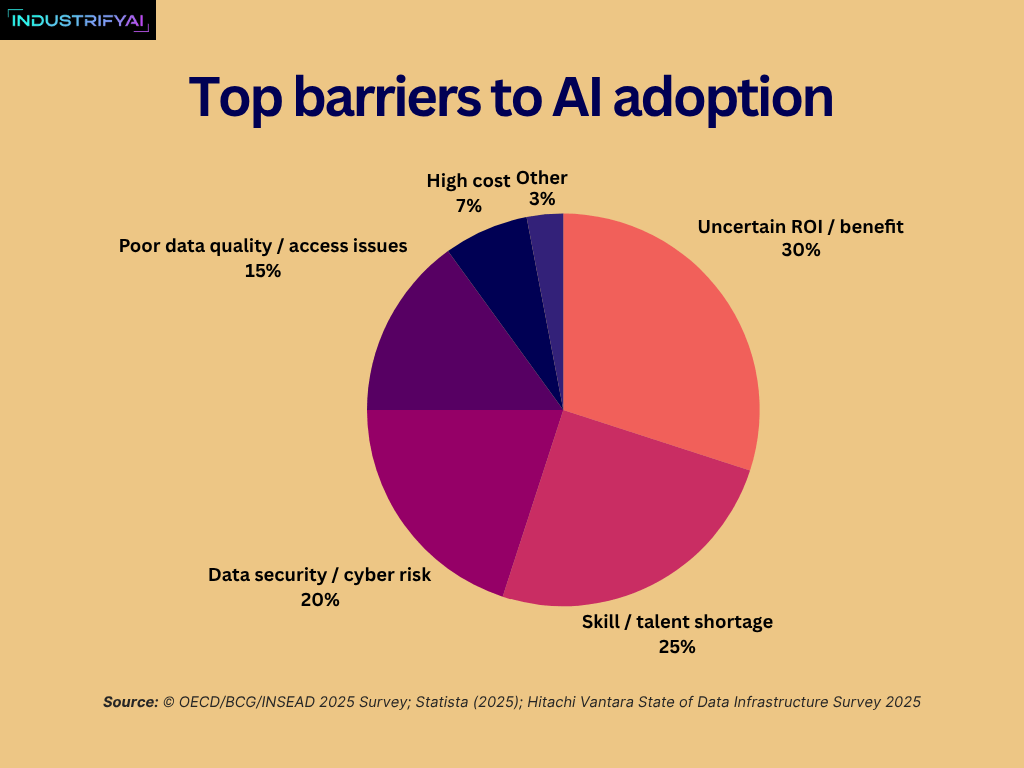
High compute costs, regulatory hurdles, and talent shortages remain barriers to adoption.
How will AI in technology development shape the future?
With government initiatives, ethical frameworks, and enterprise adoption, AI will become a foundational layer of innovation.
Introduction
AI isn’t just a buzzword anymore – it’s the invisible engine behind the apps we use, the recommendations we see, and the tools we rely on at work. From artificial intelligence in technology powering cloud platforms to AI in technology development shaping healthcare and education, the impact is undeniable.
But what exactly is the role of AI in the tech industry? And how do opportunities balance against challenges like regulation, cost, and trust? Let’s break it down.
Understanding Artificial Intelligence in Technology
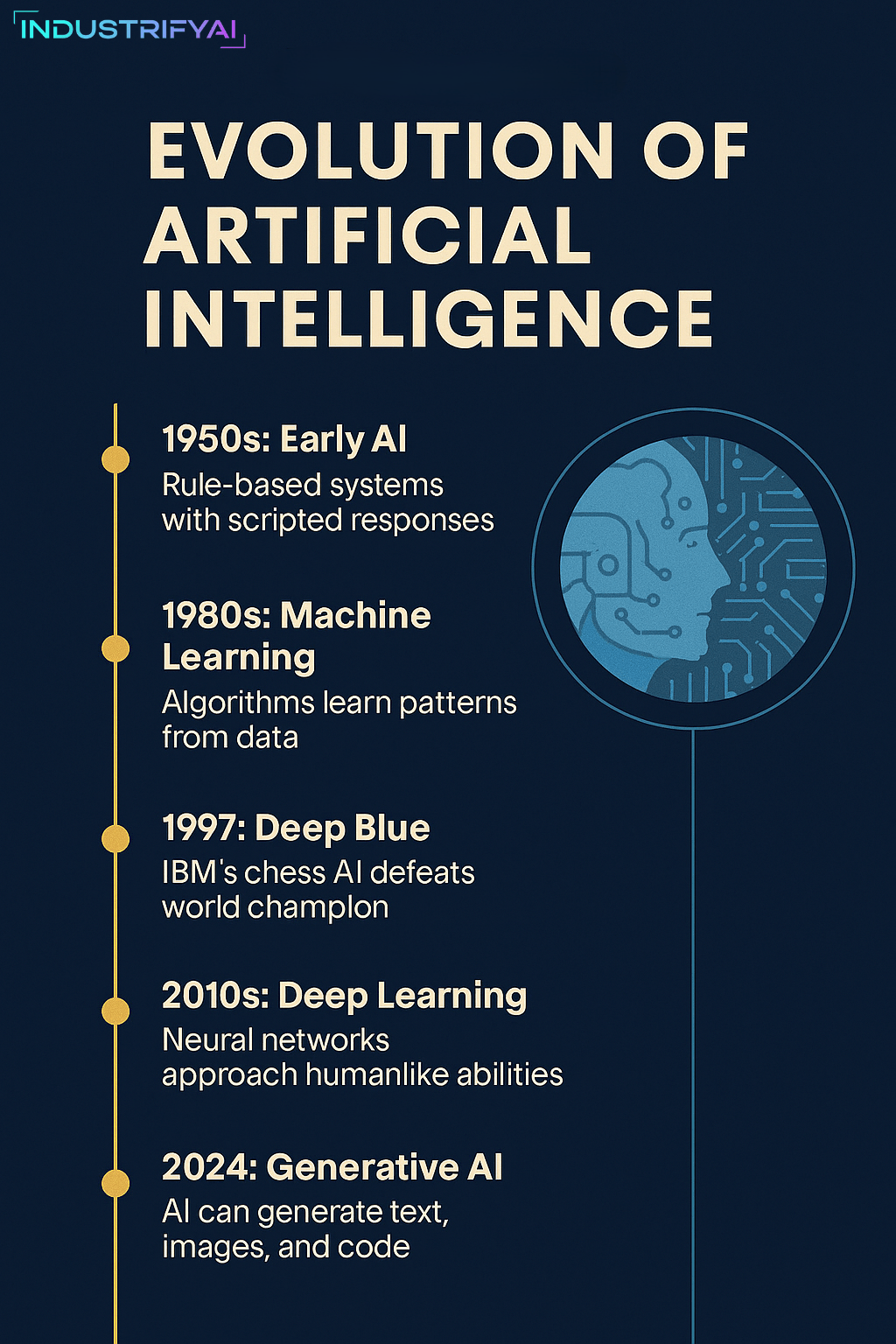
Artificial intelligence has evolved from simple rule-based systems in the 1950s to today’s generative AI models that can write, design, and even code.
At its core, AI technology performs three key functions:
- Automation: Replacing repetitive tasks with smart systems.
- Prediction: Using data to forecast outcomes (finance, weather, logistics).
- Personalization: Tailoring experiences (recommendations, adaptive learning).
Practical Applications of AI in the Tech Industry
AI in Cloud and SaaS
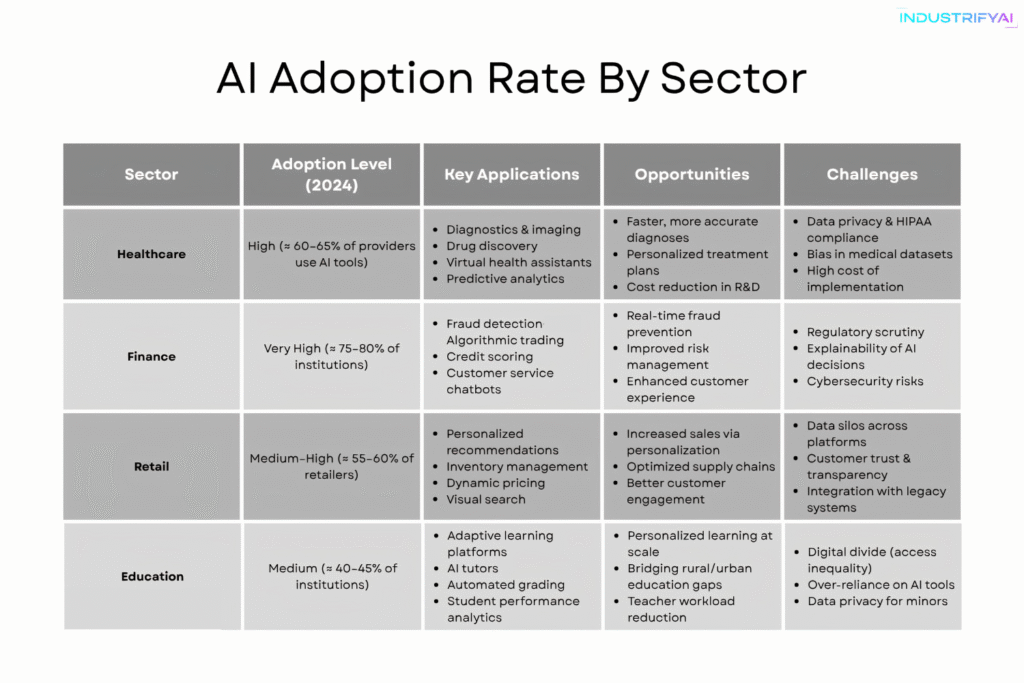
Cloud providers like Microsoft Azure, AWS, and Google Cloud now embed AI into their platforms, offering ready-to-use APIs for vision, speech, and natural language.
AI in Healthcare
AI assists in diagnostics, drug discovery, and patient monitoring. For example, AI-driven imaging tools can detect diseases earlier than traditional methods.
AI in Education
Adaptive learning platforms personalize lessons, while AI tutors provide 24/7 support. India’s AI in education initiatives are bridging gaps in rural learning.
AI in Cybersecurity
With cyberattacks rising, AI systems detect anomalies and predict threats faster than human analysts.
Opportunities in AI Technology and Innovation
- Market Growth: The global AI market is projected to hit $1.3 trillion by 2032 (CAGR ~20%).
- IndiaAI Mission: With a ₹10,000 crore budget, India is building AI innovation hubs, skilling programs, and compute infrastructure.
- Enterprise Productivity: AI copilots in tools like Microsoft 365 and GitHub Copilot are boosting efficiency.
- Cybersecurity Demand: AI-driven defense is a booming market as threats grow.
Challenges in AI Technology Development
- Compute Costs: Training large models requires expensive GPUs and energy.
- Regulation: The EU AI Act (2024) and India’s upcoming AI framework demand compliance.
- Talent Shortage: Skilled AI engineers remain scarce.
- Trust Issues: Bias, hallucinations, and explainability gaps reduce adoption confidence.
- Sustainability: Large AI models consume significant energy.
The Future of AI in Technology and Innovation
Looking ahead, AI in technology development will integrate with IoT, 5G, and even quantum computing.
- AI as a Co-Pilot: From coding to design, AI will augment human creativity.
- Responsible AI: Ethical frameworks will guide adoption.
- Global Competition: Nations investing in AI infrastructure will lead innovation.
Conclusion
AI is no longer optional – it’s the backbone of modern technology. While opportunities in AI in technology and innovation are vast, businesses must navigate challenges in cost, regulation, and trust.
The real question isn’t whether AI will shape technology, but how we choose to shape AI.

At IndustrifyAI, we are a four-member editorial team specializing in Marketing and Research within the Artificial Intelligence space, committed to delivering clear, credible, and actionable insights. With a strong foundation in performance marketing and data-driven research, we cut through the hype to bring you timely, expert-backed content that explains complex AI developments in simple, practical terms. Our work is grounded in transparency, robust sourcing, and a deep understanding of how AI impacts marketers, researchers, and decision-makers. From analyzing emerging trends to publishing concise industry analyses and how-to’s, IndustrifyAI aims to inform, empower, and make AI truly accessible-because in a fast-moving landscape, staying informed isn’t optional.