Are you looking for 10 ways how AI can help in education today? The traditional classroom is changing very fast. Students and teachers face new challenges every single day. Before diving into specific tools, you might want to start by understanding how artificial intelligence is changing the educational landscape.
Machine learning in the classroom is not just a future dream. It is happening right now. Real people use these intelligent tutoring systems to solve actual problems. From smart mentors to live speech captions, technology makes learning much better.
Let us look at ten real-life examples of artificial intelligence in action.
1. Helping Visually Impaired Learners Navigate the World
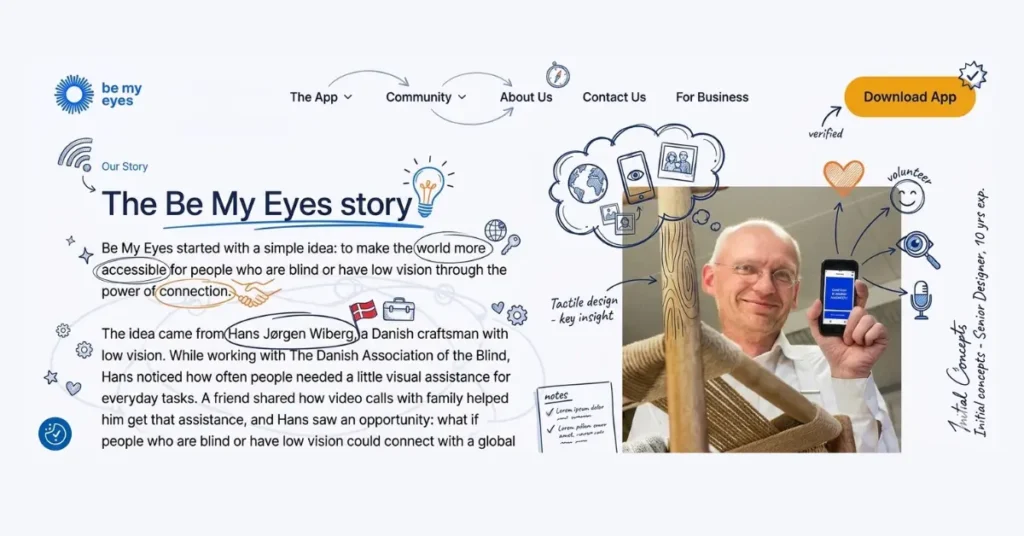
Blind or low-vision individuals face daily hurdles. They often struggle to access printed study materials. They also find it hard to read whiteboard notes. Walking through new campus buildings alone is very difficult.
The Be My Eyes app offers a brilliant solution. It uses advanced technology to create a virtual volunteer. Users simply take a picture of a textbook page. They can also snap a photo of a complicated diagram.
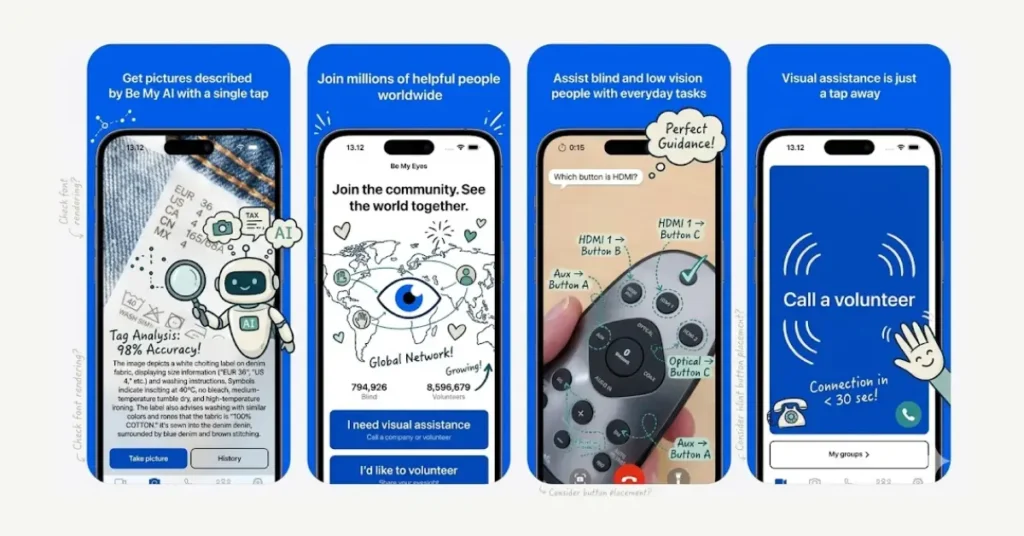
The AI then gives a highly detailed audio description. It speaks in a normal, conversational tone. This allows students to learn completely independently. You can read the OpenAI and Be My Eyes official partnership case study to see the full impact.
2. Providing Socratic 1-on-1 Tutoring for K-12 Students
Classrooms are often very crowded today. Teachers simply do not have the time to sit with every child. Students get stuck on math or writing problems easily. They need focused help to succeed.
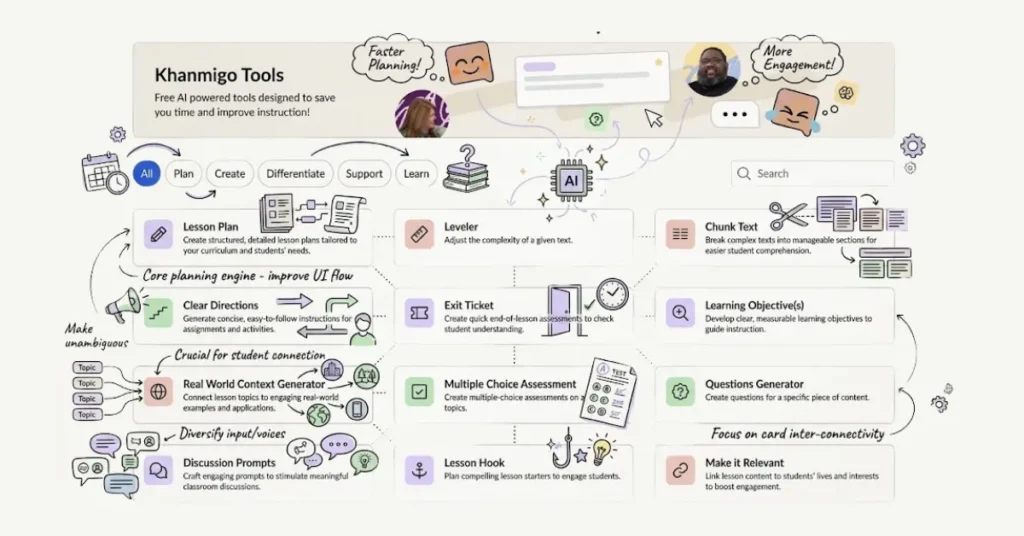
Over 600,000 students currently use Khanmigo. This tool is a smart tutor created by Khan Academy. It does not just spit out the exact answers. Giving the answer directly would be cheating.
Instead, Khanmigo acts like a smart mentor. If a student gets a math problem wrong, the AI asks questions. It asks the student to find their own miscalculation. Experts discuss this method in a recent conversation with Sal Khan regarding the future of teaching.
3. Enabling Ear-Reading for Students with Dyslexia
Students with dyslexia are highly intelligent. However, they face physical barriers to reading words. Reading dense textbooks becomes an exhausting task. They experience extreme frustration when doing homework.
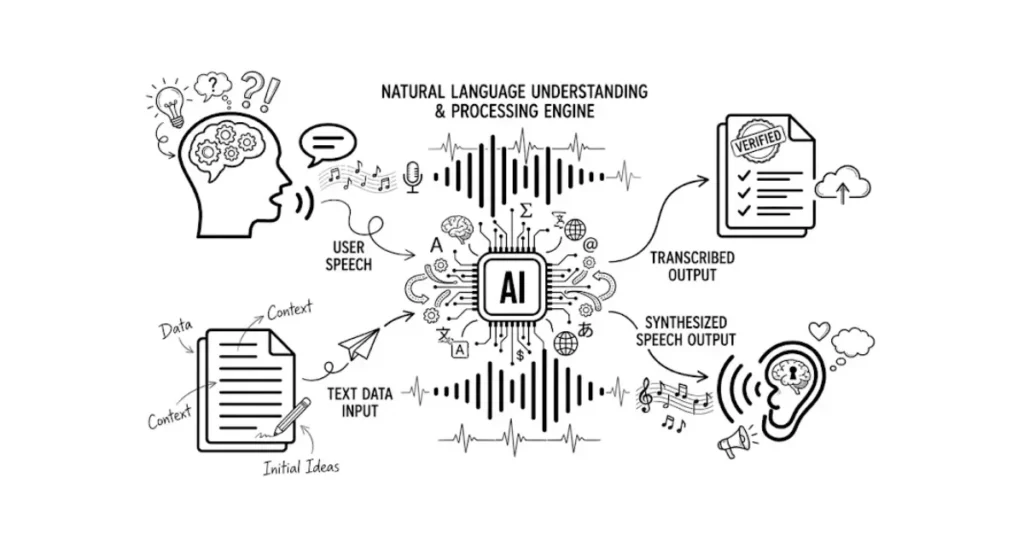
AI speech tools fix this major issue. Programs like Immersive Reader and Speechify allow students to hear the words. The AI highlights each word as it reads it aloud. It uses a very natural sounding voice.
This specific method is called ear-reading. It lets dyslexic students understand complex material without extreme fatigue. Educators constantly highlight the benefits of ear-reading for struggling students to boost test scores.
4. Practicing Real-World Conversations for Language Learners
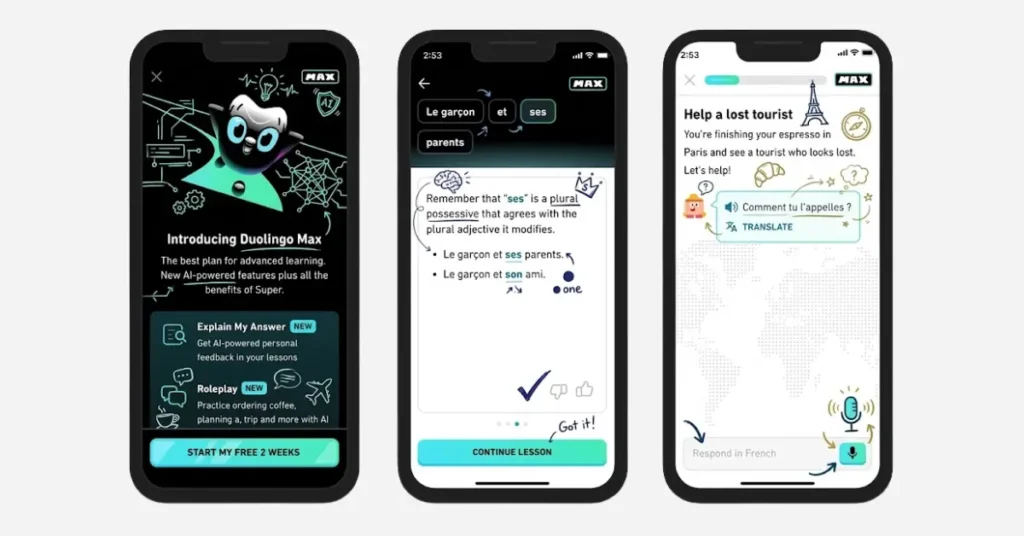
Language learners often hit a frustrating wall. They can memorize basic vocabulary words easily. However, they feel extreme anxiety when speaking to native speakers. Real conversations are unpredictable and scary.
Duolingo Max uses advanced AI to create a fun roleplay feature. Learners can have dynamic conversations with a computer persona. They might practice ordering a coffee from a barista in Paris. They can also debate weekend plans.
The AI adapts to their skill level instantly. It provides immediate feedback on grammar and vocabulary after the chat ends. The company detailed this technology in their official Duolingo Max announcement.
5. Accelerating Code Learning for CS Undergrads
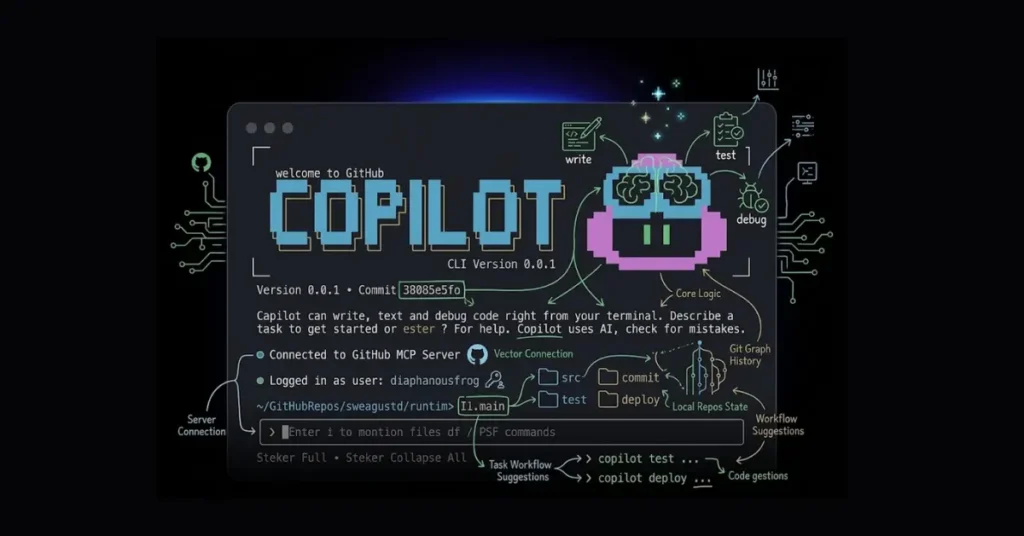
Computer science students waste hours stuck on simple coding errors. They constantly search online forums for basic examples. This slows down their overall learning process. It also causes heavy burnout.
Programmers now use GitHub Copilot as a smart helper. This tool suggests code structures directly in their workspace. It acts as an active pair programmer. It fundamentally changes how students learn software design.
A recent academic study evaluating undergraduate students tested this tool. The research showed that students using Copilot finished coding tasks 35% faster. They also spent 12% less time searching the web for answers.
If you want to see more results like this, you can explore the practical benefits of AI for student learning on our main blog.
6. Automating Spaced Repetition for Medical Students
Medical school requires students to memorize massive amounts of information. Students rely heavily on flashcard apps like Anki to study. Spaced repetition means reviewing information at specific time intervals.
Manually creating thousands of flashcards takes up valuable study time. Medical students now use ChatGPT to read their university lecture notes. The AI automatically generates hundreds of formatted flashcards instantly.
This removes the huge time investment of creating cards by hand. Students can spend more time actually studying the material. Researchers published a report on a generative AI tool aligning resources for the medical curriculum that proves this saves time.
7. Mapping Literature Reviews for PhD Researchers
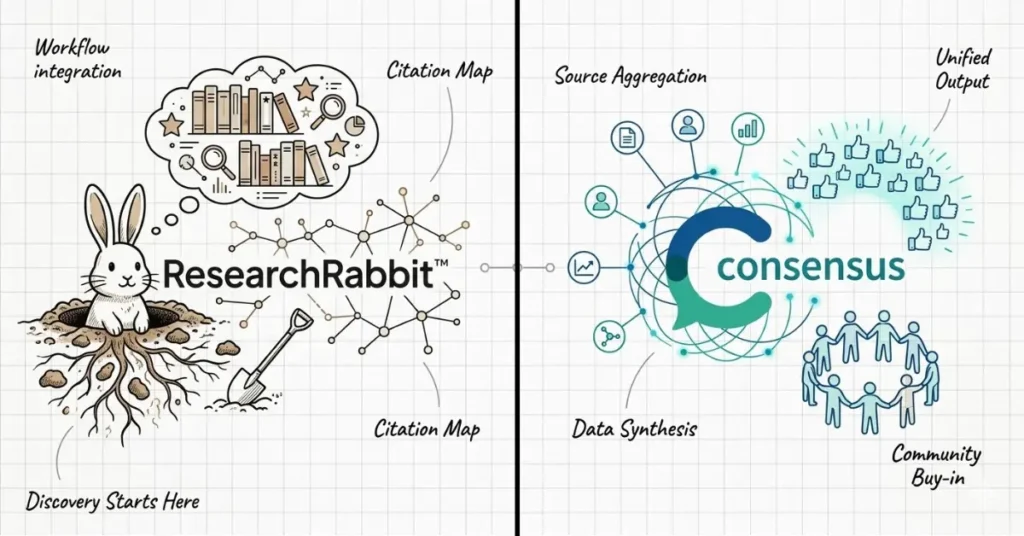
PhD students must conduct deep literature reviews. They often sift through hundreds of dense academic papers. They do this just to find out if the data fits their thesis. It takes months of reading.
Academic researchers now use specialized tools like ResearchRabbit and Consensus. These programs search large databases of academic papers. They map citation networks and extract key findings quickly.
A student can now digest 50 papers in a month instead of a year. The AI summarizes the massive amounts of data clearly. Nature Magazine recently explored how AI impacts PhD students and changes the research process.
8. Nailing Interviews for Job Seekers and Career Pivoters
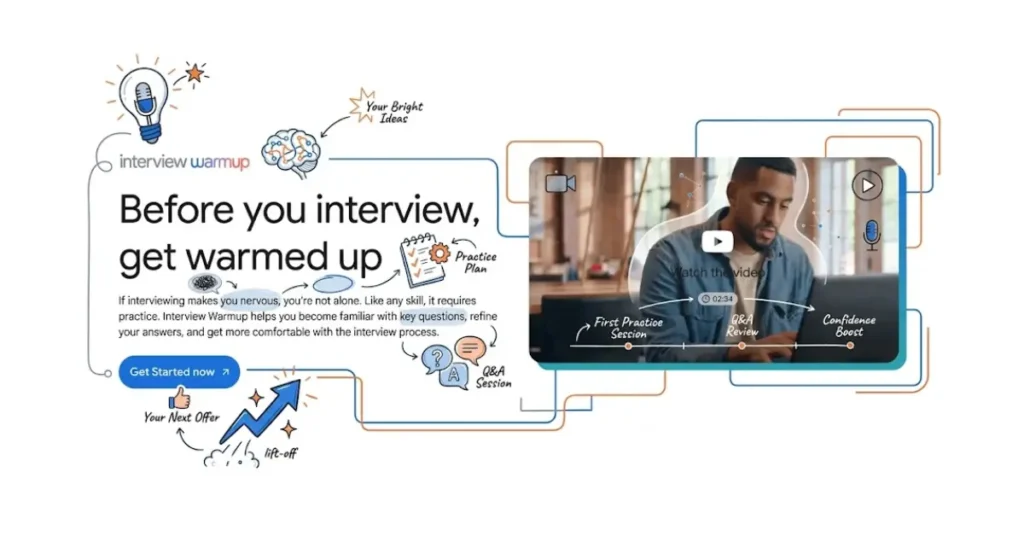
Adults trying to start new careers face steep challenges. They often lack industry mentors to help them practice. They need help preparing for intimidating job interview questions.
Job seekers use Google Interview Warmup to practice. This tool asks specific questions based on different tech industries. It transcribes the spoken answers in real time on the screen.
The system detects speech patterns automatically. It highlights how much time the user spent talking about their actual skills. Google published a guide about helping job seekers prepare for interviews using this exact software.
9. Overcoming Task Paralysis for Adults with ADHD
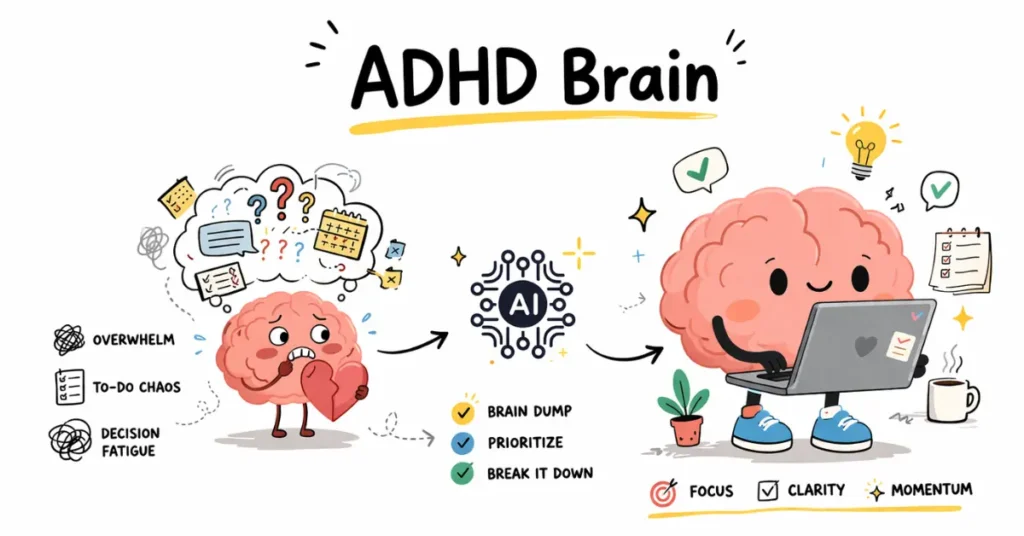
Adults with ADHD often struggle to start big tasks. A large study project or professional certification can feel incredibly overwhelming. They simply cannot begin the actual work.
These adults use chatbots as a digital body double. A body double is someone who works alongside you to keep you focused. Users dump a massive to-do list into the AI chat.
The tool breaks the massive project down into tiny steps. It schedules focused work blocks and provides one simple first step. Understood.org lists the best ways AI can help manage ADHD symptoms and overcome paralysis.
10. Following Fast-Paced Lectures for Deaf and Hard of Hearing Students
Deaf university students traditionally relied on human note-takers. They also used lip-reading to follow fast and technical college lectures. This severely limited their independence in the classroom.
Students now use live transcription tools like Otter.ai and Microsoft Translator. These programs use speech recognition to write down the lecture in real time. The words appear instantly on a tablet or laptop.
The student can read along and participate actively in class. They can also save the transcript for later studying. Educators stress the importance of teaching students about tech accessibility features to ensure equal opportunities.
The Future of EdTech AI Adoption
Artificial intelligence is reshaping the entire personalized learning ecosystem. These ten examples show real people solving actual daily problems. AI is not replacing teachers or doing the work for lazy students.
Instead, these tech tools empower learners of all ages. They break down hard barriers for people with learning disabilities. They also save precious time for busy medical students and researchers.
Predictive analytics in education will continue to grow. Technology gives everyone a fair chance to succeed in school. You can start exploring these smart applications today to see the incredible benefits for yourself.
Frequently Asked Questions
How does AI help students with learning disabilities?
AI tools remove physical barriers to learning. Text-to-speech programs help dyslexic students hear their textbooks. Live captions let deaf students read lectures on a screen instantly.
Will AI replace human teachers in the classroom?
No, artificial intelligence won’t replace human teachers. AI acts as a smart assistant instead. It handles basic tutoring so teachers can focus on deeper emotional support.
Is using AI for homework considered cheating?
Simply copying answers from a chatbot is definitely cheating. However, using tools like Khanmigo is different. These programs guide you to the right answer through helpful questions.
How does AI help adults and professionals study?
Adults use AI to save massive amounts of time. Medical students use it to build study flashcards quickly. Job seekers use it to practice tough interview questions without judgment.
What are the best AI tools for language learning?
Duolingo Max is a top choice for learning languages right now. It features a smart roleplay mode. You’ll practice real conversations with a computer persona to build confidence.

Our uncompromising commitment to data and accuracy starts with Yadwender. Relying on a rich background in quantitative market research and technical analysis, he meticulously vets emerging AI trends, ensuring every statistic, case study, and claim published on our platform is verifiable and sourced from industry-leading data.